Don't Let Your CBD Go to Waste: The Smart Person's Guide to Keeping Hemp Oil Fresh
Let's be real for a second. Most of us buy a bottle of CBD hemp oil, stick it somewhere convenient — maybe the kitchen counter, maybe the bathroom shelf — and don't think twice about it. But here's the thing: where and how you store that bottle matters a whole lot more than most people realize.
CBD is a naturally occurring compound, and like a lot of natural things, it doesn't love harsh conditions. Heat, light, and air are the three biggest enemies of a potent hemp oil product. Over time, exposure to any of these can break down cannabinoids, degrade terpenes, and turn a high-quality product into something far less effective. And if you're relying on CBD for real wellness support — whether that's stress relief, better sleep, or workout recovery — a degraded product just isn't going to deliver.
So let's get into it. Here's everything you need to know about keeping your CBD hemp oil fresh, potent, and worth every penny.
Why CBD Hemp Oil Degrades in the First Place
CBD oil isn't magic — it's chemistry. The active compounds in your hemp oil, including CBD, minor cannabinoids, and terpenes, are organic molecules. And organic molecules change when they're exposed to the wrong environment.
The main culprit is a process called oxidation. When oxygen interacts with the compounds in your oil, it starts breaking them down at a molecular level. Light — especially UV light — speeds this process up significantly. Heat does too, by accelerating the chemical reactions that cause degradation. Over time, this means your oil's cannabinoid profile shifts, its potency drops, and the flavor can turn rancid or bitter.
Most quality CBD hemp oils are formulated with carrier oils like MCT oil, hemp seed oil, or olive oil. These carrier oils are also prone to going rancid when stored improperly, which adds another layer to the freshness equation.
The good news? Proper storage can meaningfully extend your product's shelf life — typically somewhere between one and two years for most quality hemp oils, when stored correctly.
The Three Enemies: Light, Heat, and Air
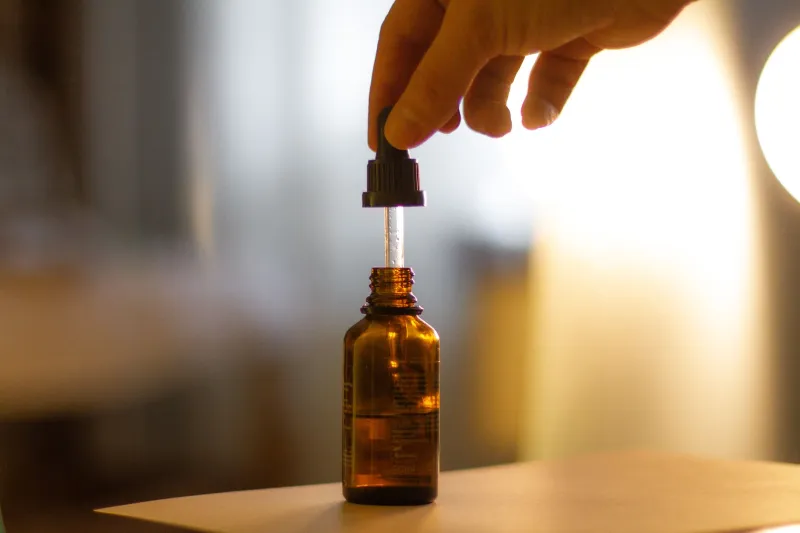
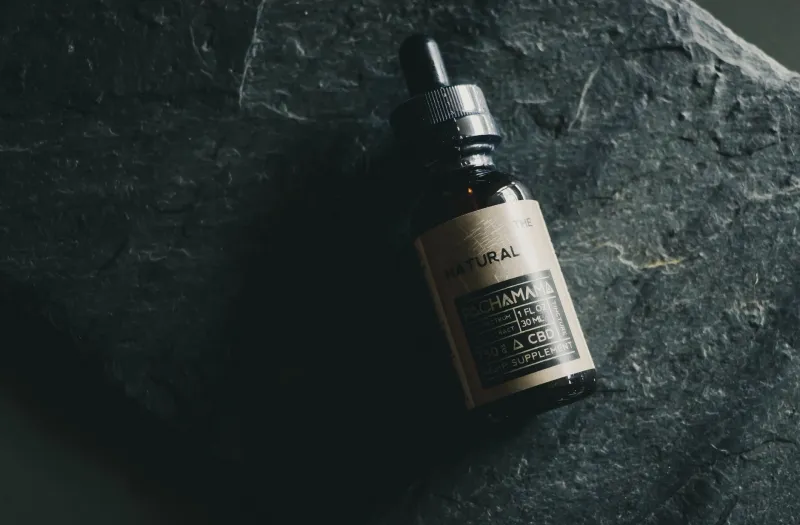
Light is arguably the biggest threat. UV rays are particularly destructive to CBD and the terpenes that contribute to the entourage effect. This is exactly why reputable brands package their products in dark amber or opaque bottles — it's not just for aesthetics. If your CBD oil came in a clear bottle, that's already a mild red flag, and keeping it out of direct sunlight becomes even more critical.
Heat is the second major factor. Temperatures above 70°F (room temperature on the warmer end) can accelerate degradation. Think about where your home gets warm: near the stove, on a sunny windowsill, in a car during a Texas summer. Any of those spots can quietly ruin your product over time. Even a bathroom with hot showers creates more humidity and heat than you might expect.
Air exposure is the third piece of the puzzle. Every time you open your bottle and leave it open a little too long, you're letting oxygen in. Most tincture bottles with droppers create a decent seal, but it's still worth being mindful about tightening the cap fully after each use.
Where to Actually Store Your CBD Oil
The ideal storage location is cool, dark, and dry. Here are your best options:
A kitchen cabinet away from the stove or oven. This is probably the most practical choice for most Americans. Just make sure it's not above the stove or near any heat sources. A lower cabinet away from appliances works great.
A bedroom drawer or nightstand. If you take CBD before bed, keeping it in your nightstand makes sense — and bedrooms tend to stay at a more stable temperature than kitchens.
A dedicated supplement shelf or medicine cabinet — as long as the bathroom doesn't get too steamy. If your bathroom is consistently humid and warm, skip this one.
The refrigerator is actually an excellent option, especially in warmer climates or during summer months. Cold temperatures slow oxidation and preserve cannabinoids well. Some oils may get a little thick or cloudy when cold — that's totally normal and not a sign of damage. Just let the bottle sit at room temperature for a few minutes and it'll return to normal consistency.
What you want to avoid: windowsills, countertops in sunny kitchens, inside a hot car, near appliances that generate heat, or anywhere with big temperature swings throughout the day.
Signs Your CBD Hemp Oil Has Gone Bad
Even with the best storage habits, oils do have a shelf life. Here's how to tell if your product has degraded:
- Color change: Fresh CBD oil ranges from light gold to darker amber depending on the type. If it's turned noticeably darker or murky in a way that doesn't clear up at room temperature, that's a sign of degradation.
- Smell: Rancid carrier oil has a distinctly off, sometimes sour or musty smell. If your oil smells nothing like it used to, trust your nose.
- Taste: A noticeably bitter, sour, or "off" flavor is a red flag. Quality hemp oil has an earthy, sometimes grassy or nutty taste. Rancid is a different experience entirely.
- Reduced effectiveness: This one's harder to measure, but if you've been using the same product at the same dose and suddenly it seems less effective, degradation could be part of the story.
Always check the expiration or best-by date on your bottle. Manufacturers typically stamp these based on ideal storage conditions — so if you've been storing yours in less-than-ideal circumstances, the effective shelf life may be shorter than what's printed.
A Few Practical Habits Worth Building
Beyond where you store your oil, a few small habits can make a real difference:
- Don't double-dip the dropper. If you touch the dropper to your mouth and then put it back in the bottle, you're introducing bacteria and moisture. Dispense into a spoon or directly under your tongue without contact.
- Close the cap immediately after use. Don't leave it sitting open while you scroll your phone or make coffee.
- Buy sizes that match your usage. If you use CBD daily, a larger bottle makes sense. But if you're occasional about it, buying a smaller bottle more frequently means you're always working with fresher product.
- Keep it in its original packaging. Those dark glass bottles exist for a reason. Transferring oil to a different container — especially a clear one — defeats the purpose.
The Bottom Line
CBD hemp oil isn't cheap, and the last thing you want is to spend real money on a quality product only to have it degrade in your cabinet. The good news is that protecting your investment doesn't require any special equipment or complicated routines — just a little awareness about where you keep your bottle and how you handle it.
Cool, dark, and sealed. That's really the whole formula. Nail those three things, and you'll get the full shelf life — and full potency — out of every bottle you buy.