Cheap CBD Is Costing You More Than You Think — Here's the Ugly Truth
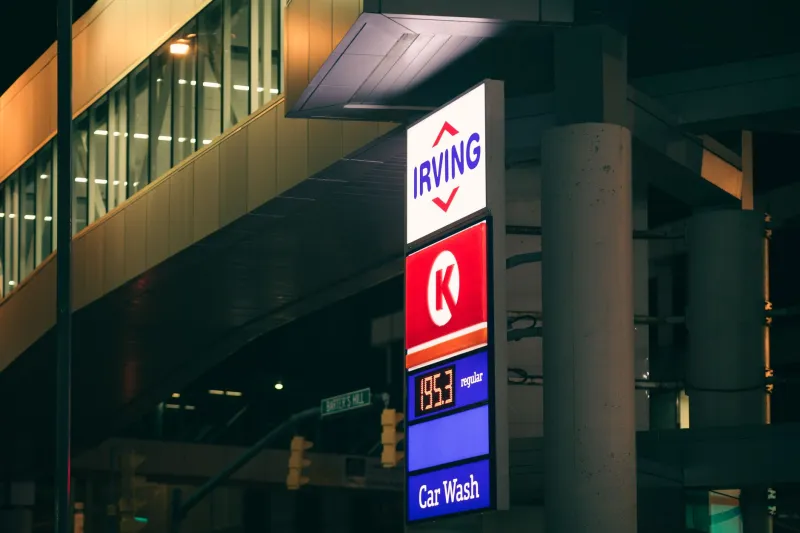
Picture this: you're grabbing a Red Bull and a bag of chips at a highway gas station, and there it is — a spinning rack of CBD products sitting right next to the energy shots and beef jerky. The price tag says $14.99 for a 500mg tincture. You've been curious about CBD anyway, so why not?
Here's why not.
The CBD market in the United States has exploded over the past several years, and with that boom came an inevitable flood of low-quality, poorly manufactured products chasing easy money. Convenience stores, discount websites, and even some big-box retailers have become dumping grounds for CBD that ranges from merely ineffective to potentially problematic. Understanding what separates a quality product from a throwaway one isn't just about being a savvy shopper — it's about protecting your health and actually getting results.
What's Really Going on Inside That Bargain Bottle
Let's start with the basics: making genuinely good CBD hemp oil costs real money. Quality starts with the hemp plant itself. Reputable producers source from farms that follow rigorous agricultural standards, often using organically grown hemp that hasn't been treated with synthetic pesticides or heavy fertilizers. Hemp is what's known as a bioaccumulator — meaning the plant soaks up whatever is in the soil around it, good and bad. Cheap CBD products frequently skip the sourcing question entirely, pulling hemp from wherever it's cheapest with zero transparency about growing conditions.
Then there's the extraction process. Clean CO2 extraction — the gold standard in the industry — requires expensive equipment and expertise. Many low-cost manufacturers cut corners by using cheaper solvent-based extraction methods that can leave residual chemicals in the final product. Others use such heavily processed distillates that most of the beneficial plant compounds are stripped out entirely, leaving you with something that barely resembles what quality hemp oil should be.
Finally, there's testing — or the lack of it. Third-party lab testing by an accredited, independent laboratory is the only real way to verify what's actually in a CBD product. It confirms cannabinoid potency, checks for pesticides, heavy metals, residual solvents, and microbial contaminants. Cheap brands routinely skip this step because it adds cost. And when they do post lab results? Those certificates of analysis are sometimes outdated, cherry-picked, or — in documented cases — outright fabricated.
The Mislabeling Problem Is Bigger Than You'd Expect
This isn't fearmongering. The FDA and independent researchers have repeatedly tested CBD products on the market and found significant discrepancies between what's on the label and what's actually in the bottle. Some products contain far less CBD than advertised. Others contain more THC than legally allowed. A handful have tested positive for contaminants that have no business being in a wellness product.
A study published in JAMA back in 2017 found that nearly 70% of CBD products sold online were mislabeled. While the market has matured somewhat since then, enforcement remains spotty and the incentive to cut corners hasn't disappeared. Gas station and convenience store products, which often come from smaller, unverifiable brands with little online presence, are among the highest-risk categories.
For consumers, mislabeling isn't just a consumer protection issue. If you're buying CBD to support wellness goals — whether that's post-workout recovery, better sleep, or everyday stress management — a product with almost no actual CBD in it simply won't do anything. You'll write off CBD as ineffective when the real problem was the product, not the compound.
Spotting the Warning Signs Before You Buy
You don't need a chemistry degree to avoid getting burned. A few clear red flags can save you from wasting money and potentially exposing yourself to something you don't want.
No QR code or link to a certificate of analysis. Legitimate brands make their lab results easy to find — usually via a QR code on the packaging or a dedicated page on their website. If you can't locate a current COA from a third-party lab within about 30 seconds of looking, walk away.
Vague or exaggerated health claims. Brands making sweeping promises — "cures anxiety," "eliminates pain," "guaranteed results" — are waving red flags. The FDA doesn't allow CBD companies to make disease-cure claims, and reputable brands know this. Over-the-top marketing language is often a sign that the actual product can't speak for itself.
No clear information about hemp sourcing. Where was the hemp grown? Is it domestic? Grown to USDA organic standards? If a brand can't or won't answer these questions on their website or packaging, that's a problem.
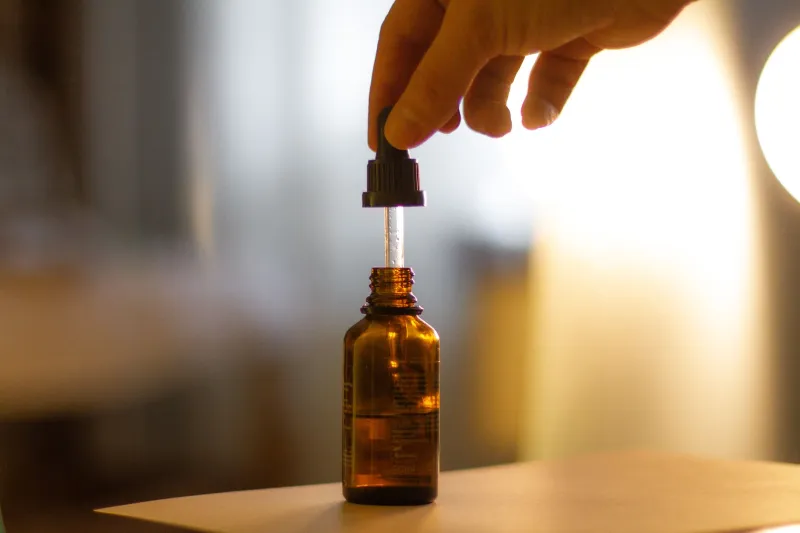
Prices that seem too good to be true. A 1000mg full-spectrum tincture from a quality brand typically costs between $40 and $80 depending on the company. If you're seeing similar claims for $10 to $15, something doesn't add up. Either the potency is fake, the hemp quality is poor, or corners were cut somewhere in production.
No physical address or customer service contact. Fly-by-night brands often have minimal online presence and no real accountability. Legitimate companies stand behind their products and make it easy for customers to reach them.
Why Spending More Upfront Actually Saves You Money
This might feel counterintuitive, but stick with us. If you buy a $15 bottle of CBD that contains a fraction of the advertised cannabinoids — or none at all — you've spent $15 on nothing. Then you buy another. And maybe another. Before long, you've spent $60 on products that never worked, and you've written off CBD entirely based on a completely inaccurate experience.
Contrast that with buying a $55 bottle from a transparent, third-party tested brand. You know what's in it. You know the potency is accurate. You can follow dosing guidance with confidence and actually assess whether CBD is delivering value for you. That's a far more efficient use of your wellness budget.
Beyond the financial math, there's a health argument too. Contaminated or mislabeled products carry real risks — particularly for people who are sensitive to certain compounds, managing specific health conditions, or taking other medications. The few dollars saved at a gas station checkout aren't worth that gamble.
What to Look for in a Brand Worth Trusting
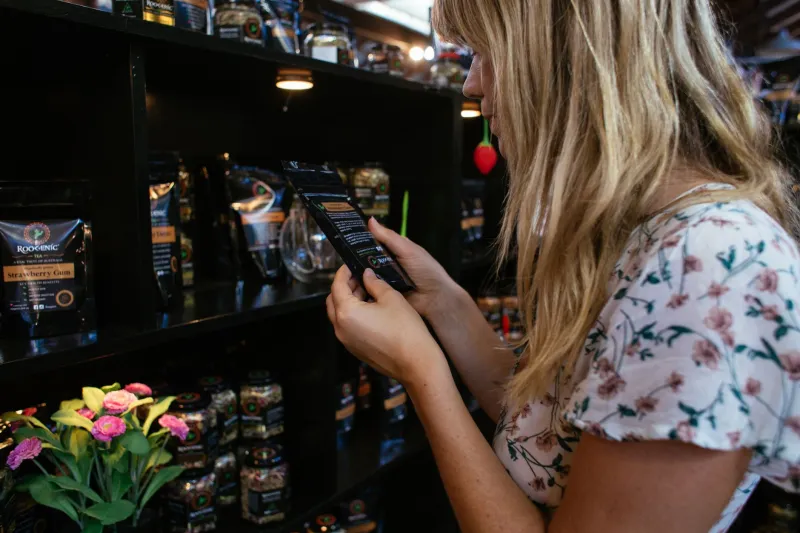
The good news is that the CBD industry does have genuinely excellent companies doing things the right way. When you're shopping — whether online or in a specialty wellness store — look for brands that openly share their hemp sourcing, use CO2 or other clean extraction methods, publish up-to-date third-party lab results, and have real customer reviews from verifiable buyers.
Bonus points if the brand participates in industry organizations that promote standards and transparency, or if their products carry certifications from recognized bodies like the U.S. Hemp Authority.
The bottom line: CBD hemp oil can be a meaningful addition to a wellness routine, but only if what you're buying is actually what it claims to be. The gas station rack is a gamble you probably don't need to take. Do a little homework, spend a little more, and you'll actually have a chance to find out what quality hemp oil can do for you.