Morning, Noon, or Night: Cracking the Code on When to Take Your CBD
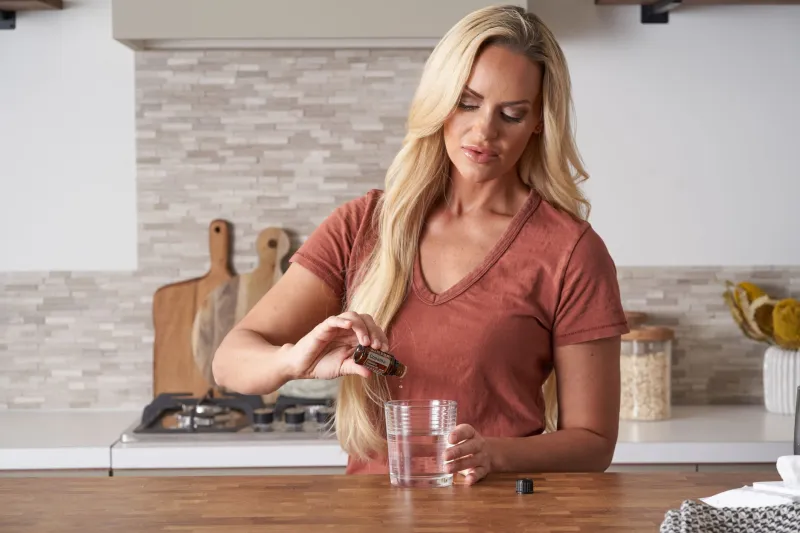
Most people figure out their CBD dose through a fair amount of trial and error. They land on a milligram amount that feels right, find a product they trust, and then... just kind of take it whenever they remember. Morning with coffee. At night before bed. Sometimes mid-afternoon when the workday gets rough.
Here's the thing though: when you take your CBD might matter just as much as how much you take. Your body isn't a static machine that processes things the same way at 7 a.m. as it does at 10 p.m. Circadian rhythms, meal timing, metabolic fluctuations — all of it plays into how effectively cannabinoids get absorbed and put to work. So let's dig into what that actually means for your daily routine.
Your Body Has an Internal Clock — and CBD Responds to It
You've probably heard the term "circadian rhythm" tossed around in sleep articles, but it goes way beyond just feeling tired at night. Your circadian system regulates hormone release, immune function, digestion, and yes — even how your endocannabinoid system operates.
Research suggests that the endocannabinoid system (ECS), the network of receptors that CBD interacts with, fluctuates in activity throughout the day. CB1 and CB2 receptor expression and sensitivity aren't constant — they shift in patterns that align with your sleep-wake cycle. That means CBD taken at one point in the day might interact with your ECS quite differently than the same dose taken six hours later.
This isn't a reason to panic about your current routine. It is a reason to be a little more intentional about it.
Morning Dosing: Setting the Tone for the Day
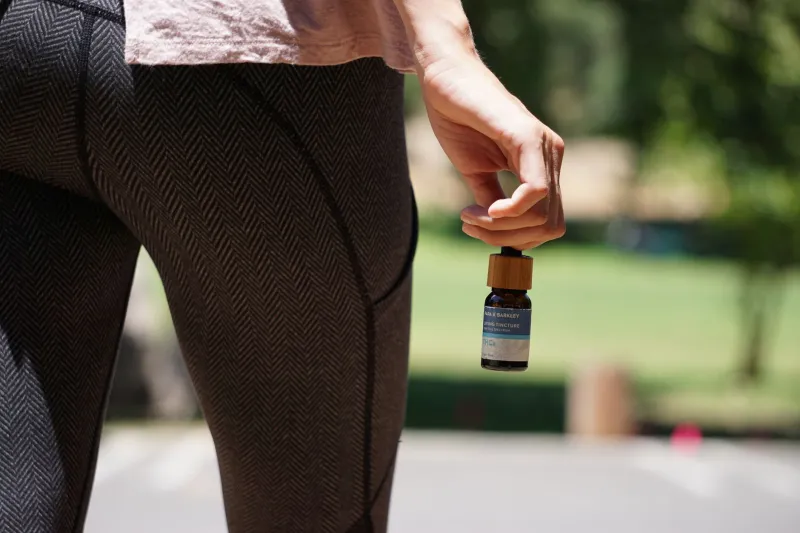
For people using CBD to support focus, manage everyday stress, or simply start the day from a calmer baseline, morning is often the sweet spot. Taking CBD in the morning — ideally with breakfast — gives it time to build in your system as your day ramps up.
The "with breakfast" part matters more than you might think. CBD is fat-soluble, which means it absorbs significantly better when taken alongside dietary fats. A morning meal that includes avocado, eggs, nut butter, or even a splash of whole milk in your coffee can meaningfully boost how much CBD your body actually absorbs versus what just passes through. Studies have shown that taking CBD with a high-fat meal can increase bioavailability by a substantial margin compared to taking it on an empty stomach.
If your wellness goals lean toward daytime calm, mental clarity, or keeping stress from snowballing by noon, morning dosing is worth experimenting with.
Afternoon Dosing: The Overlooked Middle Ground
Midday CBD timing doesn't get much attention, but for certain people and goals, it's actually a smart play. If you tend to hit a wall around 2 or 3 p.m. — that classic post-lunch energy dip that makes staring at a screen feel impossible — an afternoon dose could help smooth out that rough patch.
For those dealing with physical tension that builds throughout a workday (hello, desk neck and lower back tightness), taking CBD around lunchtime means peak absorption often lines up with late afternoon, right when that discomfort tends to peak. Timing your dose to get ahead of the problem, rather than reacting to it after the fact, is a strategy worth considering.
Afternoon dosing also works well as a "second dose" approach for people who take a smaller amount in the morning and want sustained support throughout the day without a large single serving.
Evening Dosing: Wind Down and Recovery Mode
This is where a lot of CBD users naturally land, and honestly, there's good reason for it. Evening is when your body shifts into repair and recovery mode. Cortisol levels drop, melatonin starts to rise, and your system begins the biological housekeeping that only happens during rest.
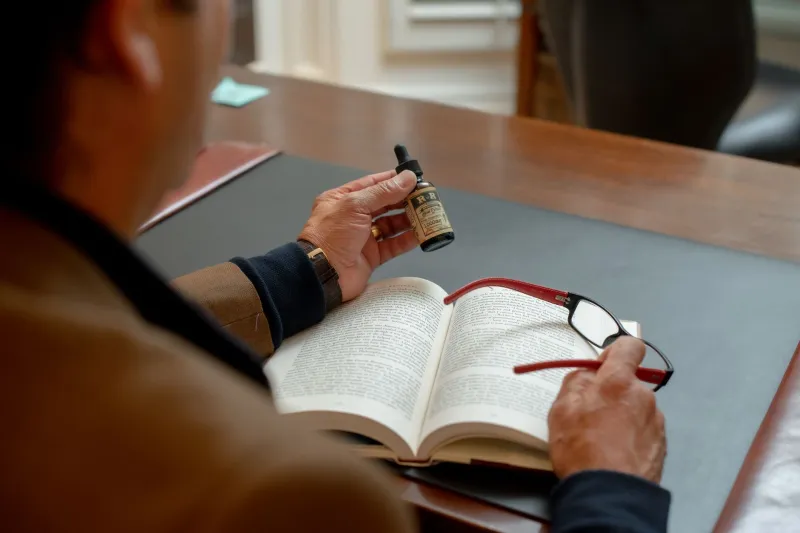
For people using CBD to support sleep quality or ease the mental chatter that makes it hard to unwind, taking it 30 to 60 minutes before bed gives it time to reach meaningful levels in your system before you're trying to drift off. It's not a sedative — CBD doesn't knock you out — but many users find it helps them get out of their own heads and settle into sleep more naturally.
Evening is also prime time for recovery-focused use. If you worked out earlier in the day, your muscles are doing their repair work overnight. Supporting your body's natural inflammatory response during that window, when the ECS is actively involved in recovery signaling, just makes sense from a timing perspective.
Again, pairing your evening dose with a snack that has some healthy fat content — a handful of almonds, some peanut butter on a rice cake — will help with absorption, even if the portion is small.
Individual Metabolism: The Wild Card Nobody Talks About Enough
Here's where it gets personal. Two people can take the same CBD product at the same time and have noticeably different experiences, and metabolism is a huge reason why.
CBD is processed primarily through the liver via enzymes in the cytochrome P450 family. How quickly or slowly your body runs through that process depends on genetics, age, body composition, other supplements or medications you take, and even what you've eaten that day. Fast metabolizers might find their CBD window is shorter, meaning they benefit from more frequent, smaller doses spread across the day. Slower metabolizers might feel effects that linger longer, making once-daily dosing plenty sufficient.
This is part of why there's no universal "best time" answer — your biology has a vote in this conversation.
A Simple Framework for Finding Your Timing Sweet Spot
If you want to actually figure out what works for you rather than just guessing, try this approach:
Pick one time and stick with it for two weeks. Consistency is key to understanding your baseline. Taking CBD at random times makes it nearly impossible to assess whether it's working.
Keep brief notes. You don't need a detailed journal — just a few words each day about how you felt in the hours after dosing. Did you feel calmer? More focused? Did sleep feel different? Did you notice anything at all?
Then shift the timing and repeat. After two weeks of morning dosing, try two weeks of evening dosing with everything else held constant. Compare your notes.
Adjust based on your goals. If you're chasing better sleep, lean evening. If it's daytime stress or focus, lean morning. If it's physical recovery from exercise, consider timing your dose relative to your workouts.
The Bottom Line
CBD isn't magic, and it doesn't work on a set-it-and-forget-it basis. But it also doesn't have to be complicated. The simple act of being more thoughtful about when you take it — factoring in your meals, your daily schedule, and what you're actually trying to accomplish — can make a real difference in the results you get.
Your body has rhythms. Working with them instead of against them is just good sense. And when it comes to getting the most out of your hemp oil, a little timing awareness might be exactly the edge you've been missing.