Full-Spectrum, Broad-Spectrum, or Isolate? Here's How to Pick the Right CBD Hemp Product for You
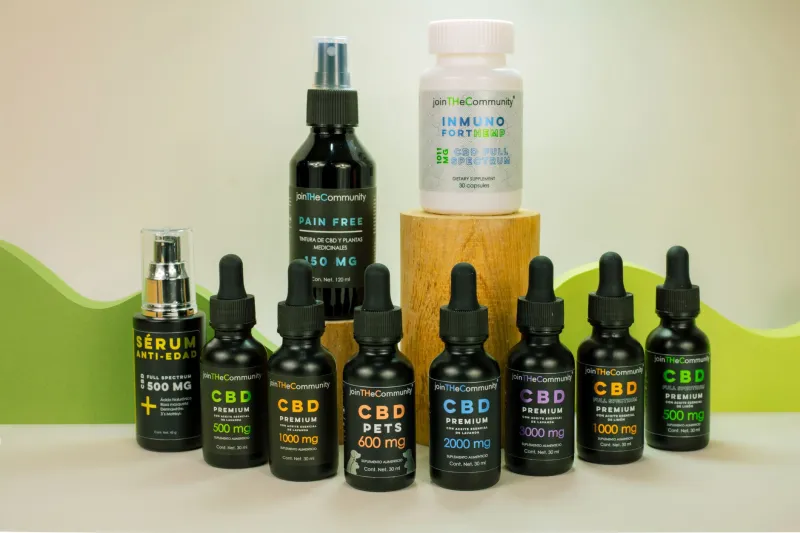
Shopping for CBD hemp oil can feel a little like trying to read a menu in a foreign language. The labels use terms that sound scientific, the products all look vaguely similar, and nobody at the store counter always has the answers you need. Sound familiar?
You're not alone. Consumer confusion around CBD product types is one of the biggest barriers to people actually finding something that works for them. So let's fix that.
This guide breaks down the three main categories of CBD hemp products — full-spectrum, broad-spectrum, and isolate — in plain, no-nonsense terms. By the end, you'll know exactly what each one means, how they're made, and which one might be the best fit for your specific wellness goals.
First, a Quick Primer: What's Actually in Hemp?
Hemp plants are incredibly complex. They contain hundreds of naturally occurring compounds, including:
- Cannabinoids — CBD, CBG, CBN, CBC, and trace amounts of THC (0.3% or less in legal U.S. hemp)
- Terpenes — aromatic compounds that give hemp its distinct scent and may have their own wellness properties
- Flavonoids — plant pigments with potential antioxidant activity
- Fatty acids and plant proteins
The way a hemp oil product is extracted and processed determines which of these compounds end up in your bottle — and that's where the three-way split comes in.
1. Full-Spectrum CBD Hemp Oil: The Whole Plant, Nothing Left Behind
What it is: Full-spectrum products contain the complete range of naturally occurring compounds found in the hemp plant — cannabinoids, terpenes, flavonoids, and yes, trace amounts of THC (legally capped at 0.3% in the U.S.).
How it's made: Extraction methods like CO2 extraction pull a broad range of plant compounds from the hemp material without stripping away the delicate terpenes and minor cannabinoids that give the plant its full character.
The big idea — the entourage effect: This is the concept that makes full-spectrum products particularly interesting to researchers. The theory, supported by a growing body of scientific literature, is that hemp's compounds work better together than any single compound does on its own. Think of it like a band versus a solo artist — the full ensemble creates something richer than one instrument alone.
A landmark paper by Israeli researcher Dr. Ethan Russo, published in the British Journal of Pharmacology, helped popularize this concept and sparked significant interest in whole-plant hemp extracts among wellness scientists.
Best for:
- People seeking maximum wellness support from hemp
- Those without concerns about THC (even at trace levels) for employment or personal reasons
- Anyone interested in exploring the full potential of hemp plant compounds
Heads up: Even at 0.3% THC, there's a small possibility that regular, high-dose use of full-spectrum products could result in a positive drug test. If that's a concern for your job or lifestyle, read on.
2. Broad-Spectrum CBD Hemp Oil: The Middle Ground
What it is: Broad-spectrum products are essentially full-spectrum with one key difference — the THC has been removed (or reduced to non-detectable levels) through an additional processing step.
How it's made: After initial extraction, manufacturers use techniques like chromatography to selectively isolate and remove THC while preserving the other cannabinoids and terpenes.
Why it matters: Broad-spectrum gives you most of the entourage effect benefits — you still get the synergy of multiple cannabinoids and terpenes working together — without the THC component. For many Americans, this is the sweet spot.
Best for:
- People who want the entourage effect but need to avoid THC entirely
- Those subject to workplace drug testing
- Anyone who is THC-sensitive or simply prefers to keep THC out of their wellness routine
- Parents looking for hemp products for family members
One thing to note: The extra processing step required to remove THC can sometimes reduce the concentration of other beneficial compounds as well. Quality varies significantly between brands, so third-party lab testing is especially important when evaluating broad-spectrum products.
3. CBD Isolate: Pure Cannabidiol, Nothing Else
What it is: Isolate is exactly what it sounds like — pure CBD extracted and refined until it's separated from every other compound in the plant. The result is typically a white crystalline powder or a clear oil that contains 99%+ pure CBD.
How it's made: After initial extraction, the crude hemp oil goes through multiple refinement stages — winterization, distillation, and crystallization — to strip away everything except CBD molecules.
The appeal: Isolate is completely THC-free (verified by lab testing), flavorless, and odorless, which makes it easy to add to foods, beverages, or personal care products without altering taste or smell. It's also the most straightforward option for people who want a single, well-defined compound.
Best for:
- Those with strict THC avoidance requirements
- People who are sensitive to the taste or smell of hemp
- Anyone who wants precise, consistent CBD dosing without variables
- Individuals exploring CBD for the first time who want a simple starting point
The tradeoff: Without the supporting cast of terpenes and other cannabinoids, CBD isolate doesn't benefit from the entourage effect. Some users find they need higher doses of isolate to achieve similar effects compared to full- or broad-spectrum options. Research on this is ongoing, but it's a real consideration.
Side-by-Side Comparison: At a Glance
| Feature | Full-Spectrum | Broad-Spectrum | Isolate |
|---|---|---|---|
| Contains THC? | Yes (≤0.3%) | No | No |
| Entourage Effect | Full | Partial | None |
| Terpenes & Minor Cannabinoids | Yes | Yes | No |
| Best for THC concerns? | No | Yes | Yes |
| Flavor/Aroma | Earthy, hemp-forward | Mild hemp | Neutral |
| Drug test risk | Low but possible | Very low | None |
So Which One Should You Choose?
Here's the honest answer: it depends on you.
If your top priority is getting the most comprehensive support from hemp's natural compounds and you're not worried about THC, full-spectrum is worth exploring first.
If you want that multi-compound synergy but need to keep THC out of the equation, broad-spectrum is your best bet — just make sure you're buying from a brand with solid third-party lab results.
If you want simplicity, neutral flavor, or zero THC with zero guesswork, isolate is a clean, uncomplicated option to start with.
And regardless of which type you choose, a few universal rules apply:
- Always check the COA (Certificate of Analysis): A legitimate CBD brand will publish lab results from an independent, accredited testing facility. These confirm what's actually in the product.
- Look for U.S.-grown hemp: Domestic hemp is subject to federal and state agricultural oversight, which generally means better quality control.
- Start with a lower dose and adjust gradually: CBD affects everyone a little differently. Give your body time to respond before increasing your intake.
- Talk to your doctor: Especially if you take prescription medications, since CBD can interact with certain drugs.
The Bottom Line
The hemp CBD market has matured a lot over the past few years, and consumers now have more choices — and more information — than ever before. Understanding the difference between full-spectrum, broad-spectrum, and isolate products isn't just trivia; it's the foundation of making a smart, personalized purchasing decision.
At CBD Hemp Oil 30, we believe that an informed consumer is an empowered one. Whether you're exploring hemp oil for the first time or looking to refine a routine you've already started, knowing what's in your bottle is step one toward real wellness results.
Have questions about which product type might suit your needs? Browse our curated selection or reach out — we're here to help you find your fit.