From Sore to Strong: How CBD Hemp Oil Is Changing the Game for Everyday Athletes
You crushed that Saturday morning trail run. Sunday's pickup basketball game? You were unstoppable. But come Monday morning, your legs feel like they've been replaced with concrete blocks, and your shoulders are staging a full-on protest. Sound familiar?
For millions of Americans who squeeze workouts into their packed schedules — the so-called weekend warriors — muscle soreness and inflammation are just part of the deal. But lately, more and more of these everyday athletes are reaching for something beyond ibuprofen and ice packs: CBD hemp oil.
So what's the real story? Is CBD a legitimate recovery tool, or just another wellness trend dressed up in athletic gear? Let's break it down.
What Happens to Your Body After a Hard Workout
Before we talk CBD, it helps to understand what's actually going on when your muscles scream at you the day after a tough session. Exercise — especially anything intense or unfamiliar — creates tiny tears in your muscle fibers. Your body responds with inflammation, flooding the area with immune cells to begin repairs. That process is totally normal and necessary, but it also causes the delayed onset muscle soreness (DOMS) that peaks around 24 to 72 hours after activity.
The goal of recovery isn't to shut down inflammation entirely — you need some of it to get stronger. The goal is to manage it so you can move comfortably, stay consistent, and avoid overuse injuries.
Where CBD Enters the Picture
CBD, short for cannabidiol, is a naturally occurring compound found in hemp plants. Unlike THC, it won't get you high. What it does do is interact with your body's endocannabinoid system (ECS) — a network of receptors that helps regulate things like pain perception, immune response, and inflammation.
Researchers have been paying close attention to this interaction. A 2020 review published in the Journal of Cannabis Research noted that CBD may influence inflammatory pathways by interacting with CB2 receptors, which are heavily concentrated in immune tissue. Another study from Frontiers in Physiology suggested that cannabinoids could help modulate the body's response to exercise-induced oxidative stress.
Now, important caveat: most of these studies are early-stage, conducted on animals or in small human trials. Dr. Rachel Simmons, a sports medicine physician based in Denver, Colorado, puts it plainly: "The science is promising, but we're not at the finish line yet. What I tell my patients is that CBD appears to be low-risk, and the anecdotal evidence from athletes is hard to ignore — but we need more rigorous clinical trials before we can make definitive claims."
That balanced perspective is worth keeping in mind as you explore whether CBD hemp oil fits into your own routine.
Real Athletes, Real Stories
Marcus T., a 38-year-old recreational cyclist from Austin, Texas, started using a full-spectrum CBD hemp oil tincture about eight months ago after a friend recommended it for knee discomfort.
"I was skeptical at first," he admits. "But I noticed within a few weeks that my recovery time between long rides was getting shorter. My knees weren't as stiff the next morning. I'm not saying it's magic, but it's definitely become part of my routine."
Jamie L., a 44-year-old CrossFit enthusiast from Chicago, echoes that sentiment. "I used to pop ibuprofen like candy after heavy lifting days. I switched to CBD oil about six months ago and I honestly feel better — less gut issues, and my soreness seems to fade faster. I combine it with good sleep and stretching, so I can't pin everything on CBD alone, but I'm a believer."
These kinds of testimonials are common in the CBD wellness space, though it's worth noting that individual results vary widely based on body chemistry, lifestyle, and the quality of the product being used.
Timing, Dosing, and How to Actually Use It
One of the most common questions athletes have is: when should I take CBD, and how much?
There's no universal answer — and anyone who tells you there is should raise a red flag. That said, here are some general guidelines that sports wellness practitioners tend to suggest:
Post-workout timing: Most athletes report taking CBD within 30 to 60 minutes after exercise, which aligns with the window when inflammation begins ramping up. Some also use it in the evening to support restful sleep, which is when a huge chunk of muscle repair actually happens.
Dosing: Start low and go slow. Many beginners start with 15–25mg of CBD per day and adjust from there based on how their body responds. Higher-intensity athletes or those dealing with chronic discomfort sometimes work up to 50mg or more, but always in consultation with a healthcare provider.
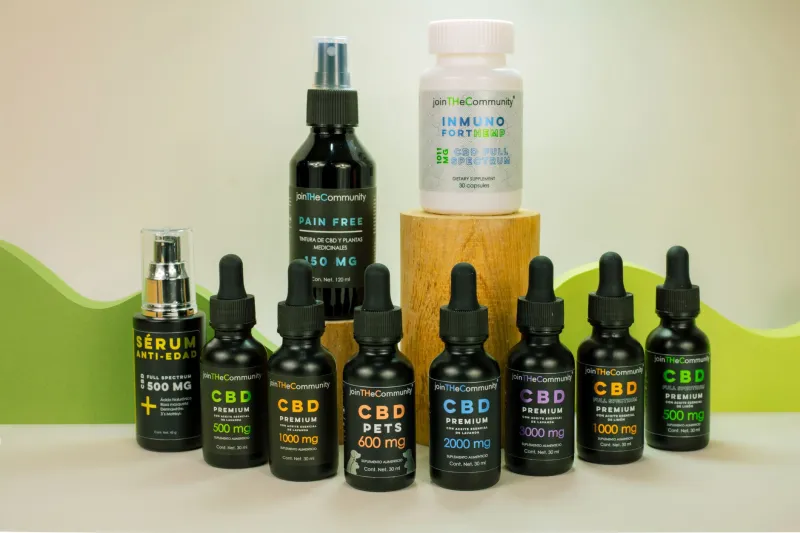
Format matters: Tinctures (drops under the tongue) tend to absorb faster than capsules or gummies. Topical CBD products like creams and balms can be applied directly to sore muscles or joints for localized relief, which many athletes find especially useful for targeted areas.
What to Look for in a CBD Hemp Oil Product
Not all CBD products are created equal — and that's not just a marketing line, it's a genuine consumer safety issue. The hemp CBD market is still loosely regulated, which means quality control varies significantly between brands.
Here's what savvy athletes should look for:
- Third-party lab testing: Any reputable CBD brand will provide a Certificate of Analysis (COA) from an independent lab, confirming potency and the absence of pesticides, heavy metals, or solvents.
- Hemp source: U.S.-grown hemp is generally subject to stricter agricultural standards than imported alternatives.
- Full-spectrum vs. isolate: More on this in depth elsewhere on the site, but full-spectrum products contain a broader range of hemp compounds that may work together more effectively — something researchers call the "entourage effect."
- Clear labeling: The mg of CBD per serving should be clearly stated, not buried in fine print.
Managing Expectations Like a Pro
Here's the honest truth: CBD hemp oil is not a magic bullet. It won't replace proper warm-ups, smart training loads, adequate protein intake, or quality sleep. What it might do — for the right person, with the right product — is take the edge off recovery discomfort and help your body get back to baseline a little faster.
Dr. Simmons sums it up well: "I encourage athletes to think of CBD as one tool in a broader recovery toolkit. Combined with good nutrition, hydration, and rest, it may offer meaningful support. On its own, it's not going to transform your performance."
For weekend warriors who are already doing the fundamentals right and looking for that extra edge, CBD hemp oil is worth an honest, informed try. Just do your homework on the product, start with a modest dose, and give it a few weeks before drawing conclusions.
Your Monday-morning legs might just thank you.