Skin Deep: What Dermatologists Are Starting to Say About Hemp Oil and Your Complexion
For a while, CBD's reputation in the beauty world was mostly hype — slapped on everything from face masks to foot creams with little more than marketing copy to back it up. But something has quietly shifted. Dermatologists — the same ones who've spent years rolling their eyes at wellness trends — are starting to take a closer look at hemp oil and what it might actually do for skin health.
This isn't a skincare revolution. Not yet, anyway. But the early research is interesting enough that it's worth understanding what's going on beneath the surface (literally).
What Makes Hemp Oil Interesting for Skin in the First Place?
Your skin has its own endocannabinoid system. That might sound surprising, but the same network of receptors that interacts with CBD throughout your body — the ECS — is present in your skin cells too. CB1 and CB2 receptors have been identified in keratinocytes (the cells that make up most of your outer skin layer), sebocytes (the cells responsible for oil production), and immune cells within the skin.
What that means, practically speaking, is that cannabinoids like CBD aren't just passing through your skin — they may actually be communicating with it.
Hemp oil, particularly full-spectrum and broad-spectrum varieties, also brings along a supporting cast of fatty acids — omega-3s, omega-6s, and gamma-linolenic acid (GLA) — that have their own well-documented roles in maintaining a healthy skin barrier. A compromised skin barrier is at the root of a lot of common skin complaints, from dryness and sensitivity to full-blown inflammatory conditions.
What Conditions Are Researchers Actually Looking At?
The honest answer is that clinical research is still catching up to the buzz. But a few areas have attracted more serious scientific attention than others.
Eczema and dry, reactive skin. Several studies have examined whether hemp-derived ingredients can help reinforce the skin barrier in people with atopic dermatitis (eczema). The fatty acid profile of hemp seed oil in particular looks promising here — GLA has been linked to reduced transepidermal water loss, which is a fancy way of saying your skin holds onto moisture better. Some dermatologists have begun recommending hemp seed oil as a gentle, non-irritating moisturizer for patients with sensitive or eczema-prone skin.
Acne-prone skin. This one is counterintuitive — putting oil on acne-prone skin sounds like a recipe for disaster. But a 2014 study published in the Journal of Clinical Investigation found that CBD may help regulate sebum production by acting on sebocytes. Overactive oil glands are a primary driver of acne, so anything that helps bring that into balance is worth paying attention to. CBD also has documented anti-inflammatory properties, which matters because acne is, at its core, an inflammatory condition.
Psoriasis. Research here is thinner, but early findings suggest that CBD's interaction with skin cell proliferation — specifically its ability to slow the overgrowth of keratinocytes — could be relevant to psoriasis management. Psoriasis involves the skin cell turnover cycle going haywire, so this is a logical area of investigation. It's not a treatment, and nobody should swap out their dermatologist's recommendations for a CBD cream, but it's a thread that researchers are actively pulling on.
Topical vs. Internal: Does It Matter How You Use It?
This is where things get genuinely nuanced, and where a lot of CBD beauty marketing glosses over important details.
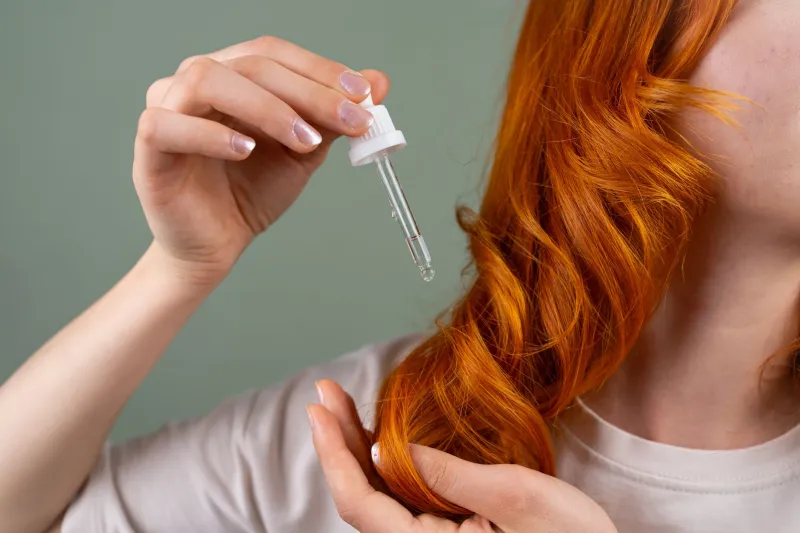
Topical CBD products — creams, serums, salves — work locally. They interact with receptors in the skin itself and don't typically reach the bloodstream in meaningful amounts. That makes them well-suited for targeted skin concerns: a patch of dry skin, a localized irritation, or specific areas prone to breakouts.
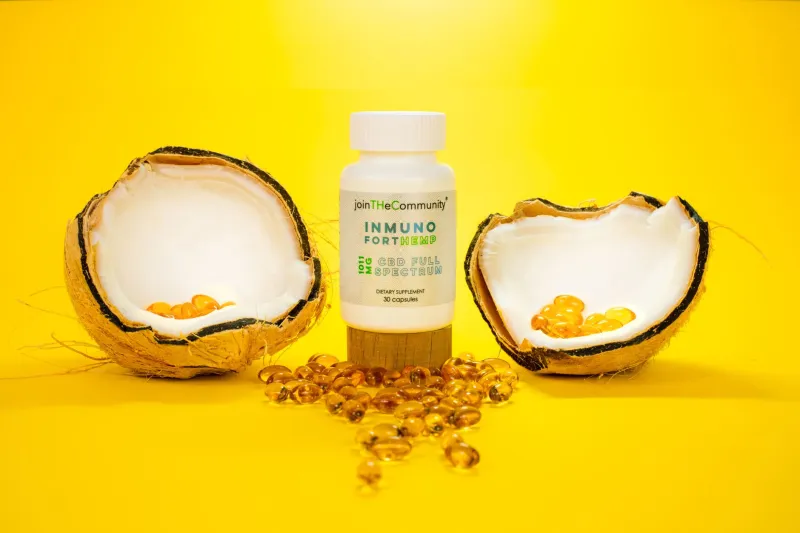
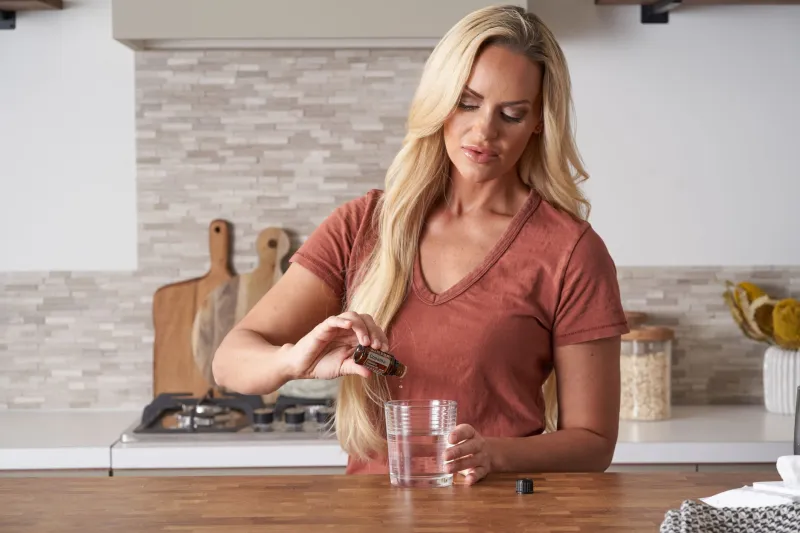
Internal CBD — whether you're taking a tincture, a softgel, or an oil — works systemically. It influences the ECS throughout your entire body, including the inflammatory responses and hormonal signals that can show up on your skin. If your skin issues are tied to stress, gut health, or systemic inflammation (and for many people, they are), internal CBD might address root causes that a topical product simply can't reach.
A lot of people who are serious about using hemp oil for skin health end up doing both — a topical product for direct skin support and an internal supplement for whole-body balance. That's not a marketing gimmick; it's actually a logical approach given how the two delivery methods work differently.
What Dermatologists Are (and Aren't) Saying
Here's the reality: most dermatologists aren't standing in front of patients and loudly recommending CBD. The regulatory landscape around hemp-derived products is still murky enough that cautious clinicians tend to hedge. But in informal conversations, at conferences, and increasingly in published commentary, a growing number of skin specialists are acknowledging that hemp-derived ingredients — particularly hemp seed oil and CBD — deserve a place in the conversation.
The general sentiment seems to be: the anti-inflammatory and barrier-supporting properties are plausible and backed by early evidence; the hype often outpaces the data; and patients who want to try hemp oil topically are unlikely to cause harm, especially if they're choosing products with clean, non-comedogenic formulations.
What dermatologists are more skeptical about is the flood of luxury skincare products charging $80 for a moisturizer with trace amounts of CBD and no third-party testing to back up their claims. That skepticism is fair.
How to Actually Try Hemp Oil for Your Skin
If you're curious about incorporating hemp oil into your skincare routine, a few practical notes:
-
Check the label carefully. There's a meaningful difference between hemp seed oil (rich in fatty acids, no CBD) and CBD-infused topicals. Both have potential benefits, but they're not the same thing. Know what you're buying.
-
Look for third-party testing. This applies to any CBD product you're putting on or in your body. A certificate of analysis (COA) from an independent lab tells you what's actually in the product.
-
Patch test first. Even gentle, natural ingredients can cause reactions in sensitive skin. Test a small area before going all in.
-
Give it time. Skin changes slowly. Most dermatologists suggest a minimum of four to six weeks before evaluating whether a new product is making a difference.
-
Don't ditch your existing routine cold turkey. Hemp oil works best as an addition to a thoughtful skincare regimen, not a replacement for proven staples like SPF and a good cleanser.
Your skin is doing a lot of work every single day — protecting you from the environment, regulating temperature, and acting as your first line of immune defense. It makes sense that it would have its own relationship with the endocannabinoid system. The science is still unfolding, but what we know so far suggests that hemp oil deserves a closer look — not as a miracle cure, but as a genuinely interesting tool for supporting skin health from the inside out and the outside in.