Don't Get Fooled: A No-Nonsense Guide to Finding CBD Hemp Oil You Can Actually Trust
Let's be honest — the CBD market can feel like the Wild West sometimes. Walk into any health food store or scroll through Amazon, and you'll find dozens of bottles making bold claims about wellness, relaxation, and recovery. Some of them are genuinely excellent products. Others? Not so much.
The frustrating part is that it's not always easy to tell the difference just by looking at the label. Slick packaging and confident marketing copy don't mean much if what's inside the bottle doesn't hold up to scrutiny. So how do you cut through the noise and find CBD hemp oil that's actually worth your hard-earned money?
You start by knowing what to look for. Here's a practical breakdown.
Why Quality Varies So Wildly in the CBD Space
Unlike pharmaceutical drugs, CBD hemp oil products aren't tightly regulated by the FDA in the same way. That means brands operate with a fair amount of freedom when it comes to how they grow their hemp, how they process it, and what they put on the label. Some companies take that responsibility seriously. Others exploit the lack of oversight to cut corners — or worse, to mislead consumers entirely.
The result is a market where two bottles sitting side by side on a shelf might look nearly identical but deliver very different experiences. Understanding the key quality markers helps you shop smarter, regardless of the brand.
Start With the Certificate of Analysis (COA)
If there's one thing you take away from this article, let it be this: never buy a CBD hemp oil product that doesn't come with a current Certificate of Analysis, commonly called a COA.
A COA is a document produced by an independent, third-party laboratory that verifies exactly what's in a product. A solid COA will confirm:
- Cannabinoid content — including how much CBD is actually present (not just what the label claims)
- THC levels — federally legal hemp products must contain no more than 0.3% THC
- Absence of contaminants — things like pesticides, heavy metals, residual solvents, and mold or bacteria
Reputable brands make their COAs easy to find — usually on their website or via a QR code on the packaging. If a company makes you dig for this information, or if the COA is outdated (look for a date within the past 12 months), consider that a red flag.
Also worth noting: the lab doing the testing should be accredited and independent — not a lab owned or affiliated with the brand itself. Look for ISO 17025 accreditation as a sign the lab meets internationally recognized standards.
Check the Extraction Method
How a company pulls CBD and other beneficial compounds out of the hemp plant matters a lot for the quality and purity of the final product.
CO2 extraction is widely considered the gold standard. It uses pressurized carbon dioxide to isolate cannabinoids without introducing harmful chemicals. It's cleaner, more precise, and tends to preserve the plant's natural profile more effectively. It's also more expensive, which is one reason some brands skip it.
Ethanol extraction is another legitimate method when done correctly. It can be efficient and effective, though it requires careful post-processing to remove residual solvent.
What you want to avoid is products made using low-quality solvent-based extraction methods involving chemicals like butane or propane, especially when there's no COA confirming those solvents have been properly removed.
A brand that's proud of its process will tell you exactly how it extracts — often right on its website's FAQ or product pages.
Where Was the Hemp Grown?
Hemp is a bioaccumulator, meaning it absorbs whatever is in the soil it grows in — including toxins. That's actually one of the reasons hemp is sometimes used in environmental cleanup efforts. But it also means that hemp grown in contaminated soil can end up producing oil that contains heavy metals or pesticides.
Look for products made from domestically grown hemp, ideally from states with established hemp farming programs like Colorado, Oregon, or Kentucky. US-grown hemp is subject to state agricultural oversight, which adds a layer of accountability.
Be cautious of products that don't disclose where their hemp comes from, or that source from regions with little to no agricultural regulation.
Read the Label — Really Read It
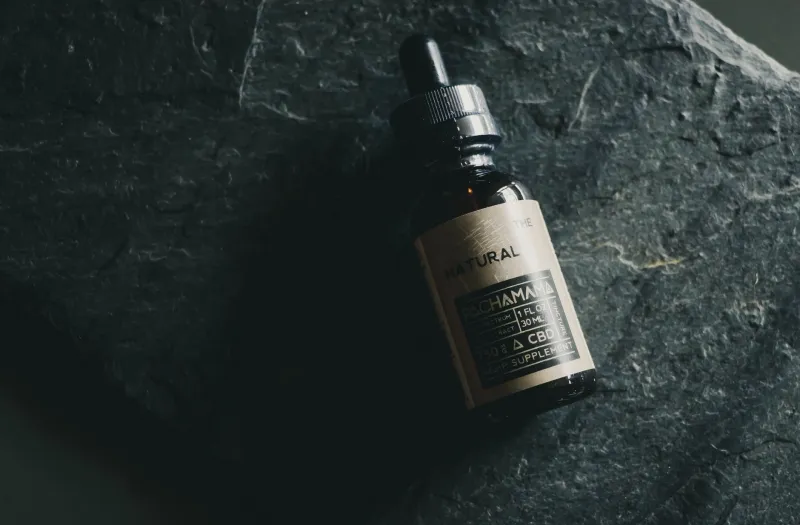
Product labels can tell you a lot if you know what you're looking at. Here are a few specifics to check:
Total CBD vs. CBD per serving. Some brands list the total milligrams of CBD in the entire bottle, while others list it per dose. Make sure you understand what you're actually getting per serving before comparing prices.
Ingredient transparency. A quality product will list all ingredients clearly. Watch out for vague terms like "hemp extract blend" without further explanation, or labels padded with unnecessary fillers.
Serving size guidance. Reputable brands provide suggested serving sizes based on their product's concentration. This isn't medical advice — but it does reflect that a company has thought carefully about how its product is meant to be used.
Expiration date. CBD hemp oil does degrade over time, particularly when exposed to light and heat. A product without an expiration date is a minor but notable red flag.
Price: A Clue, But Not the Whole Story
Here's the thing about CBD hemp oil — quality costs money. Growing clean hemp, using premium extraction methods, and paying for rigorous third-party testing all add up. So if you find a product priced dramatically lower than everything else on the market, it's worth asking why.
That said, an expensive price tag doesn't automatically mean a superior product. Some brands charge a premium purely on the strength of their marketing. Use price as one data point among many, not as the deciding factor.
A reasonable benchmark: a high-quality 30ml bottle of full-spectrum CBD hemp oil in the 1000–1500mg range typically runs somewhere between $50 and $90 from a trustworthy brand. Significantly below that, and you should dig deeper before buying.
Watch for Overpromising
Legitimate CBD companies are careful about the claims they make. They talk about supporting wellness, promoting calm, and aiding recovery — not curing diseases or replacing medical treatment.
If a brand is making sweeping medical claims — promising to treat anxiety disorders, eliminate chronic pain, or cure sleep conditions — that's a problem. It's not only potentially misleading, it may also be a sign that the company isn't operating with integrity across the board.
The best brands lead with education and transparency, not hype.
The Bottom Line
Finding CBD hemp oil you can genuinely trust doesn't have to be complicated, but it does require a little homework. Look for a current COA from an accredited third-party lab, understand how the product was extracted, know where the hemp was grown, and read the label carefully.
When a brand is doing things right, they want you to know it. Transparency is one of the clearest signals of quality in this industry — and it's something every consumer deserves from the products they invite into their wellness routine.